Global Institute of Science & Technology
Approved By AICTE & Affiliated To WBSCT&VE&SD (Formerly known as WBSCTE )



- 14 Nov
- 2026
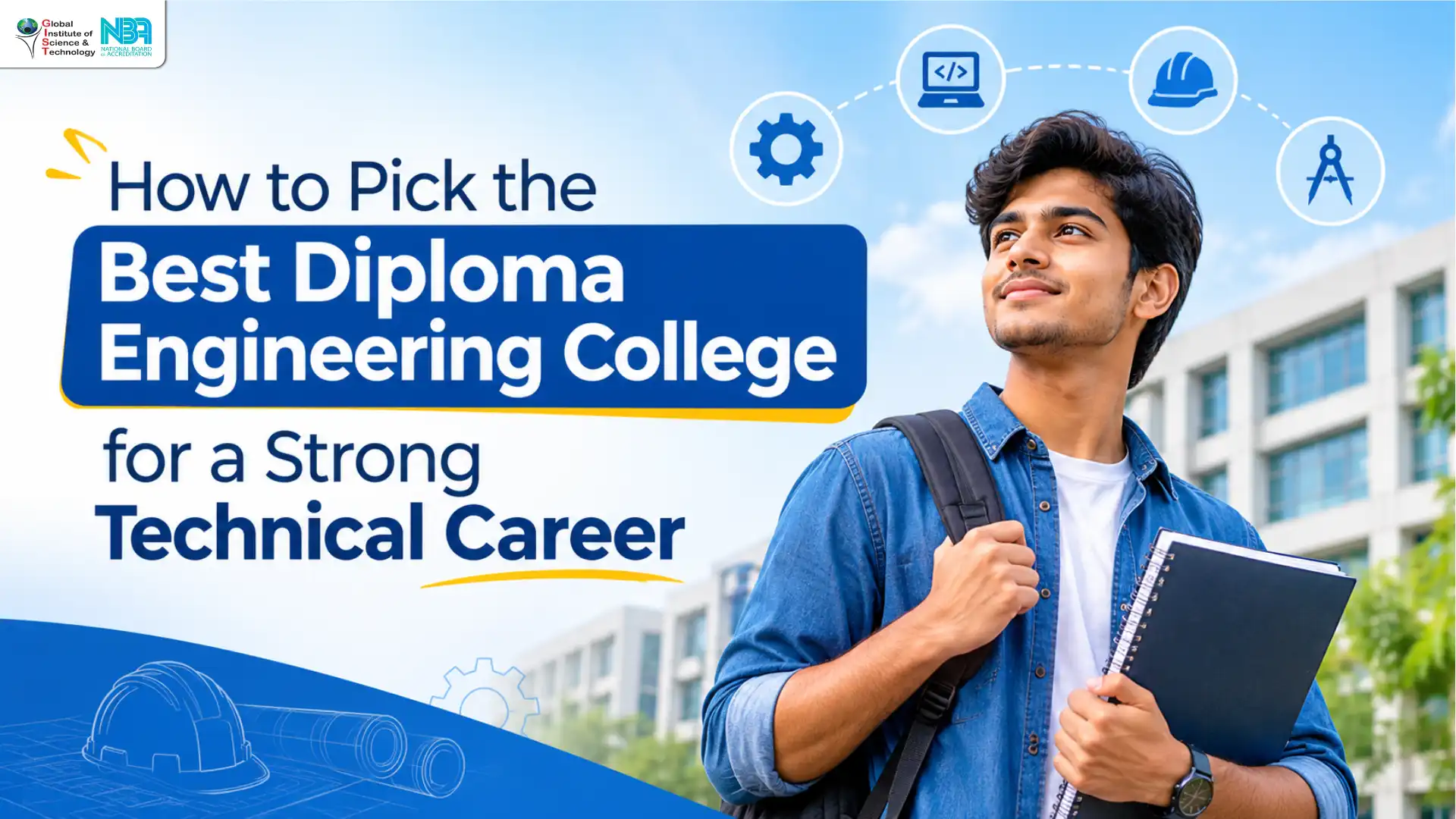
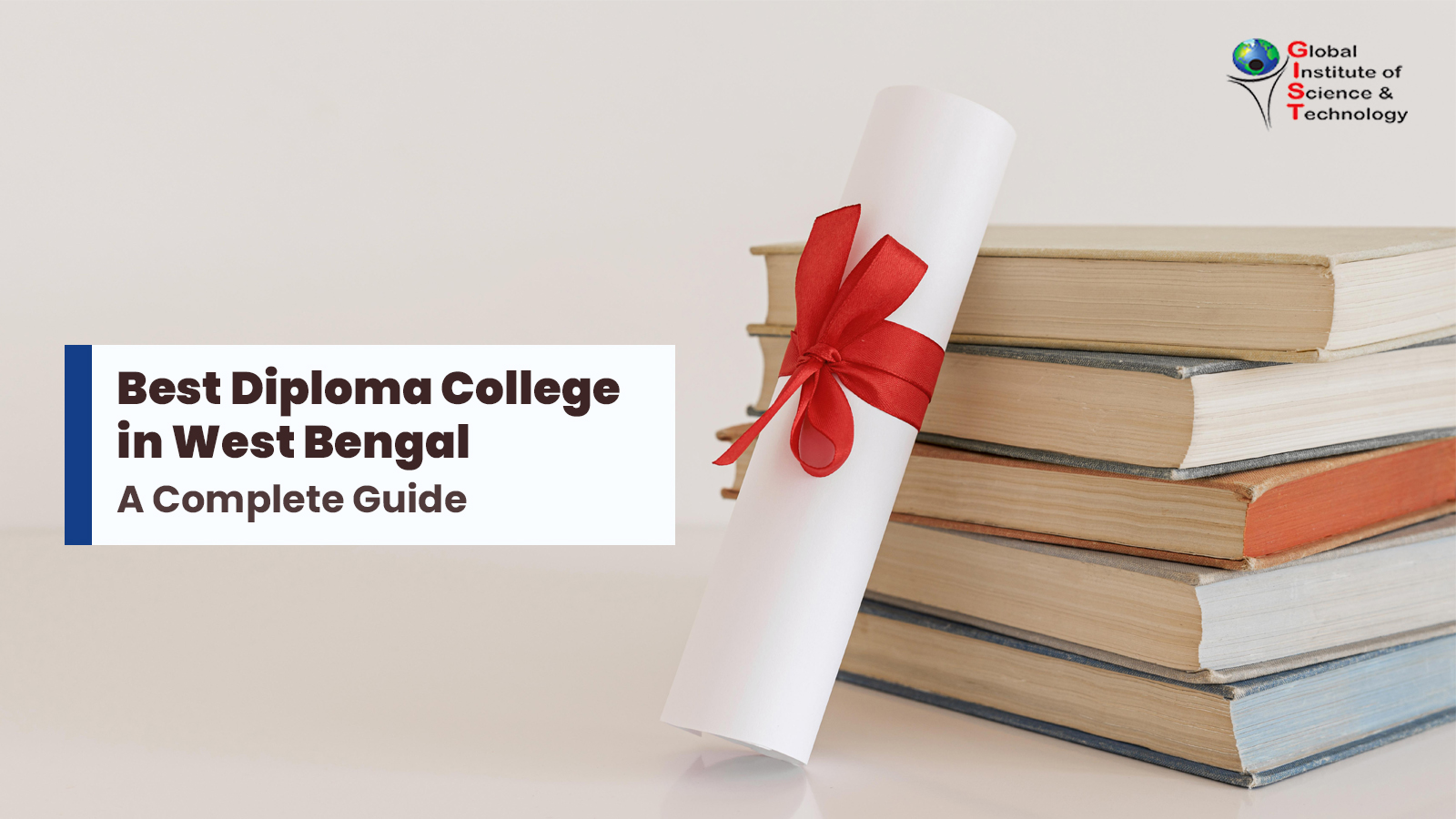
How to Choose the Best Diploma College in West Bengal: A Practical Guide for Students and Parents
After school, many students face the same question: should I take a degree route, or start building job-ready skills sooner? For a lot of families, a diploma is the answer. It is shorter, more hands-on, and tied closely to technical careers. But once you decide on a diploma, a harder question follows: which college?
If you are searching for the best diploma colleges in West Bengal, this guide explains what to look for, which questions to ask, and how to compare your options with confidence.
Why Is a Diploma Worth Considering?
Diploma programmes teach concepts and practice side by side. Instead of studying theory alone, students learn how ideas work in real settings: operating equipment, solving technical problems, and following professional processes.
That matters because employers want people who can contribute from early in their careers. A diploma also keeps your options open. You can start working after completion or continue to higher studies, depending on your goals.
Five Things to Check Before You Choose
Many families choose a college on location or course name alone. A better decision comes from looking at these five areas.
1. Fit with your interests. Start with yourself. Are you drawn to engineering and technology, healthcare, safety, or another specialised field? A course you are curious about is one you will stick with.
2. The curriculum. Ask exactly what subjects are covered, how much of the course is practical, and what you can do once you finish.
3. Faculty and teaching approach. Experienced, approachable faculty make hard subjects easier. A good college encourages questions rather than just completing the syllabus.
4. Practical facilities. Ask to see the labs, tools, and training spaces. Hands-on learning depends on having something to work with.
5. Campus environment. A disciplined, supportive campus shapes habits as much as classrooms do. Look at how the institution builds communication, teamwork, and confidence, not just technical knowledge.
Where GIST Fits In?
GIST is one of the institutions students can consider while exploring diploma colleges in West Bengal. Its approach combines academic learning with practical understanding, aiming to help students grow in technical awareness, communication, discipline, and confidence alongside their chosen programme.
For students who want to enter a technical field after their diploma, that mix of knowledge and applied skill is the point. As with any college, the best way to judge fit is to speak with the team, review the course details, and see whether the environment suits you.
Why Practical Learning Changes Everything?
Technical subjects often click only when you see them in action. Practical exposure helps students:
Connect classroom concepts to real-world situations
Build problem-solving skills
Become comfortable with tools, equipment, and professional methods
Enter the workplace with a clearer sense of their responsibilities
Industry benefits too, since businesses need people who can handle day-to-day work effectively.
Life After a Diploma
Career paths depend on your specialisation and goals. Some students begin working soon after completing the course. Others pursue further qualifications. In both cases, the advantage comes from starting early: students who use their college years to build both technical and personal skills are better prepared for what follows.
Why Study in West Bengal?
West Bengal has a long educational tradition, and its growing industrial, technical, healthcare, and service sectors create demand for trained professionals. Students from Kolkata, Haldia, Medinipur, and other parts of the state can find diploma programmes that match their interests, academic background, and long-term plans.
Frequently Asked Questions
What are diploma colleges in West Bengal?
They offer specialised programmes that combine academic knowledge with practical skills in selected fields, preparing students for employment or further education.
How do I choose the best diploma college in West Bengal?
Compare the course content, faculty, practical learning opportunities, facilities, academic environment, and your future education or career options.
Is a diploma useful for a career?
Yes. A diploma provides focused knowledge and hands-on skills that can help you enter your chosen field or continue to higher education.
Why should I consider GIST?
GIST offers a learning environment focused on academic development and practical understanding. You can explore diploma programmes that match your interests and career goals.
Take the Next Step
Ready to compare your options? Contact us to learn about diploma courses, admissions, and the academic path that suits your goals.
Latest Posts
-
-
-
.webp)
-
.webp)
-
.webp)
-
.png)
-
.png)
-
.webp)
-
-
-
-
.webp)
-
.webp)
-
.webp)
-
.webp)
-
.webp)
-
.webp)
-
.webp)
-
.webp)
-
.webp)
-
.webp)
-
.webp)
-
.webp)
-
.webp)
-
.webp)
-
-
-
-
-
-
-
-
-
-
.webp)
-
.webp)
-
-
.webp)
-
.webp)
-
-
-

-
-
-
-

-
-
3 Dec, 2025
-
-
-
-
-
-
.webp)
-
.webp)
-
-

-

-
.webp)
-

-
.webp)
-

-

-

-
-
-

-
-
.webp)
-
13 Jun, 2025
-
-

-

-
-

-

-

-

-
-

-
-

-

-

-
-

-
-

21 Jan, 2025
-

13 Jan, 2025
-

-

1 Jan, 2025
-

-

18 Dec, 2024
-

11 Dec, 2024
-
.jpg)
-

-

22 Nov, 2024
-
.jpg)
-
.jpg)
-
.jpg)
-

-

-

-
.jpg)
-
.jpg)
-
.jpg)
-

-

-

-
.jpg)
-

-

-
-

-
.jpg)
-

-

-

-
.jpg)
21 Jun, 2024
-
.jpg)
-

-

-

-

17 May, 2024
-

-

-

-

-

-

-
-
-
-
-

-
.png)
-
-
-
-
-
-
-
.png)
-

-

-

-
-
-
-
-
21 Nov, 2023
-
.png)
10 Nov, 2023
-

-
.png)
-
13 Sep, 2023
-
-

-